

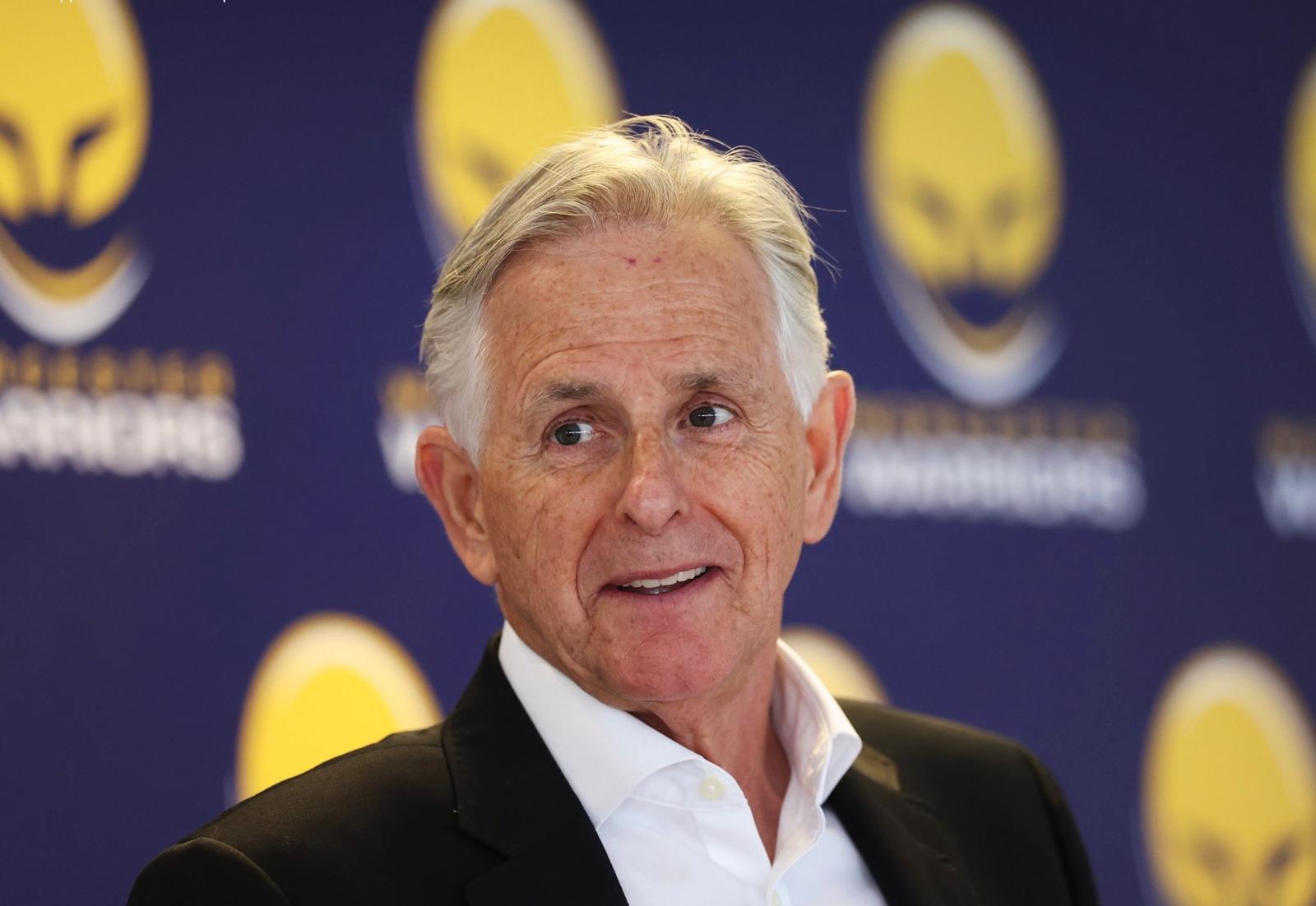
As Worcester Warriors return to professional rugby, Executive Chairman Christopher Holland talks to Ruby Edwards from You Do Better Marketing Agency to share how leadership, resilience and community spirit are driving the club’s revival and what it takes to balance tradition with a bold new vision for the future.
Your day and role
Q: When your alarm goes off in the morning, what’s the first thing you do? How do you set the tone for your day?
A: I rarely switch off so it’s usually straight into action. I wake early. The tone of the day is set by clarity and purpose, so I always begin with the most pressing task on my list or on my iPhone!
Q: What excites you most about your new role as Chairman of Worcester Warriors RFC?
A: The opportunity to restore elite-level rugby to Worcester is incredibly exciting. This club has a rich legacy, so being part of it’s future by building a sustainable, competitive team and reconnecting with the community is a privilege.
Q: At the heart of your role, what are you ultimately responsible for?
A: Ultimately, I’m responsible for ensuring the club’s return to professional sport, and its long-term viability—financially, operationally, and culturally. That means overseeing everything from creditor repayments and league compliance to building a squad that can compete at the top of the Championship and beyond.
Q: How did you get here? Was there a particular moment or decision that shaped your path?
A: Since leaving the Army I’ve spent most of my career in business—running companies, leading teams, and navigating challenges. Taking control of Worcester Warriors was an unintended action but quickly became a determination to protect the club’s legacy and return it to professional rugby.
Q: How are you bringing your leadership experience from business into the rugby world?
A: The Army and Business teach you discipline, resilience, and the importance of stakeholder trust. In rugby, those principles are just as vital. We’ve applied structured financial planning, transparent communication with creditors, and a community-first approach to rebuild the club.
Q: Running a professional sports club must be intense – how do you balance it with your other commitments?
A: It’s intense, yes—but it’s also energising. I rely on a strong team and delegate effectively. Prioritisation is key. I focus on strategic decisions and trust the operational team to execute.
Q: What’s your vision for the club over the next few seasons?
A: Fortunately, we have reached our first goal of returning the club to professional sport. We now need to need to build the sustainable and resilient financial platform that will allow us to compete at the highest level.
Q: Walk us through a typical day in your life. What’s the first thing you tackle when you arrive at work?
A: Firstly, as you can imagine there is no typical day! Mornings are usually about reviewing progress—checking in with my various directors, addressing any pressing issues. I prefer to deal with the tough stuff early, then shift focus to strategy and planning later in the day. No two days are the same, though—and that’s part of what I enjoy.
Q: And when the day gets busy, how do you prioritise or stay on top of everything?
A: I use a simple framework: urgent vs. important. Anything that affects the club’s financial health or league eligibility gets top priority. I also have a great team who take care of the operational matters – it’s been a huge team effort to get the club back to where it is now.
Achievements and challenges
Q: Looking back, what do you consider your biggest achievement so far?
A: Making a difference.
Q: Every role has its hurdles – what’s the most challenging aspect of your work?
A: The responsibility of balancing emotion and logic. Rugby is a passionate sport, and rightly so. But decisions at this level have to be made with the head as well as the heart. That’s not always easy—especially when there are so many stakeholders who care deeply about the club.
Q: And the flip side – what’s the part of your job you enjoy the most?”
A: Making a difference.
Q: What’s the best piece of advice you’ve received? Personal or professional?
A: Professionally it is to act strategically and plan for the failure of the failure remembering at all times that there is no ‘I’ in teams.
Personally, I would quote George Eliot “It is never too late to be what you might have been”.
Life outside work
Q: When you step away from the office (or the pitch) how do you usually spend your evenings?
A: Very normally. With family & friends.
Q: We all have sides that people don’t see at work. What’s something surprising about you?
A: I would like to say there is no real difference. You would have to ask my family.
Future thinking
Q: If you hadn’t chosen this career path, what might you be doing instead?
A: I would have been a doctor. I was very much an under achiever at school so that was never going to happen. I have worked with surgeons and doctors in area of conflict around the world and the difference they can make is beyond measure.
Q: Looking ahead, what’s next for you – both personally and professionally – over the next couple of years?
A: Professionally, it is to establish Worcester Warriors back at the top the RFU Championship and eventually the Premiership, and to finish the rugby journey I started with WASPS.
Personally, it is to finish that bucket list of travel and adventure that we all have – and to help others achieve their goals.
Interview conducted by Ruby Edwards at You Do Better Marketing Agency / www.youdobetter.co.uk